Having walked north along the beach on our first full day we decided to go south the next day (9 August). The sandy tourist beach soon gave way to rocky and muddy terrain, and continuing our ineptitude of the day before Jane wasn’t really in the right footwear but we persisted.
Even though we were more remote as such I was getting phone access to maps, and suggested rather than turn back we go on to a road back inland to pick up the main route back to Nungwi. This ‘road’ turned out to be a path through woods not even a vehicular track, eventually we greatly surprised some local villagers by stumbling through their settlement apologetically. We made it to the tarmac road and got a taxi back where Jane’s haggling skills were useful as the driver tried to make a healthy profit from our adventures.
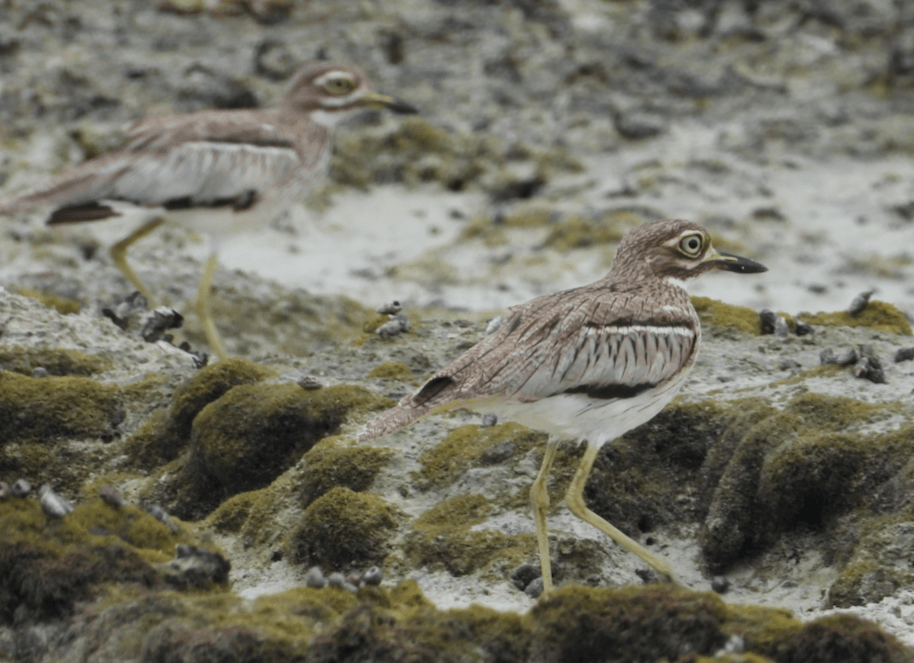
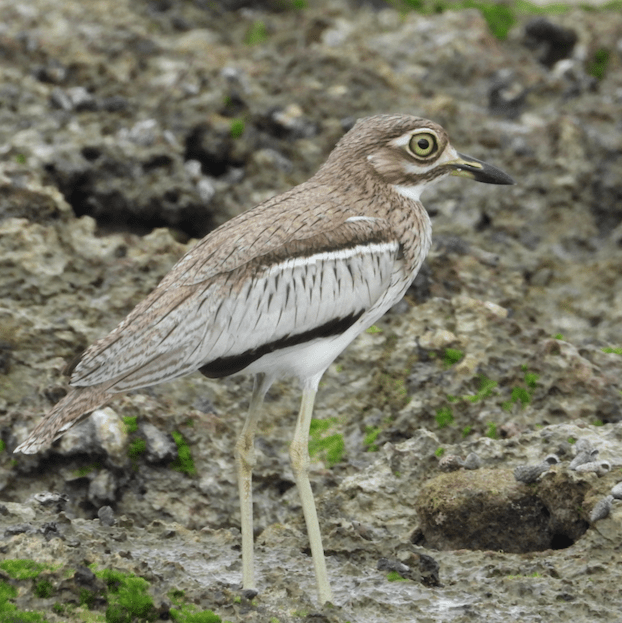
In the midst of all that the birding wasn’t bad. We had some great views of Water Thick-knees, as can be seen above and below. These were more tolerant of people than I thought they would be.
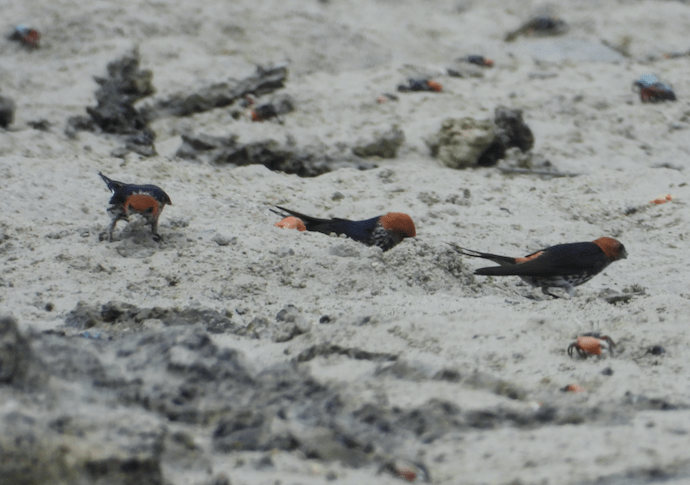
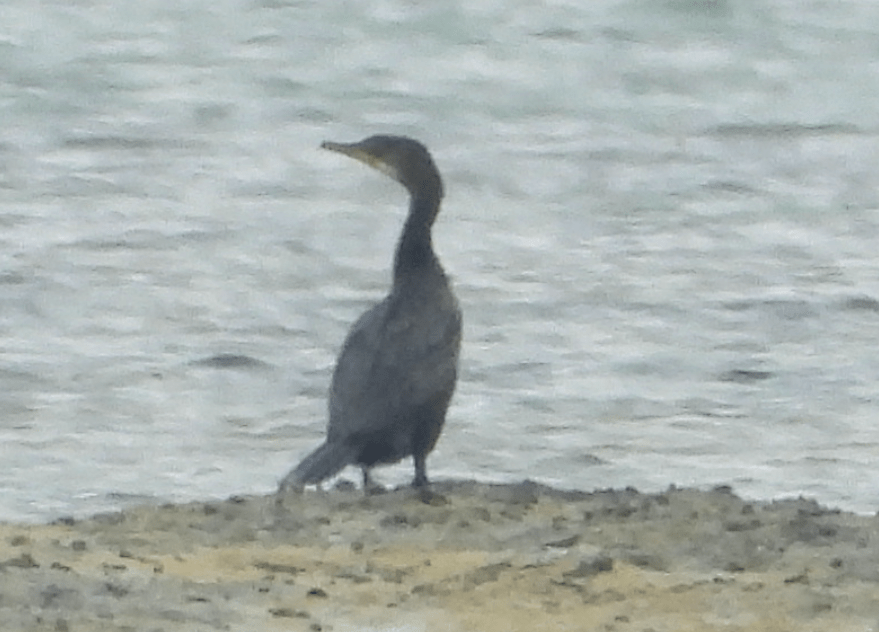
Other highlights of this initial visit including a Long-tailed Cormorant and several Lesser Striped-Swallows, whilst reviewing some pictures of very distant herons on Daloni Island showed them to be the only Black-headed Herons of the whole holiday.
We also observed some contrasting approaches to fishing by different locals, with and without the use of boats.
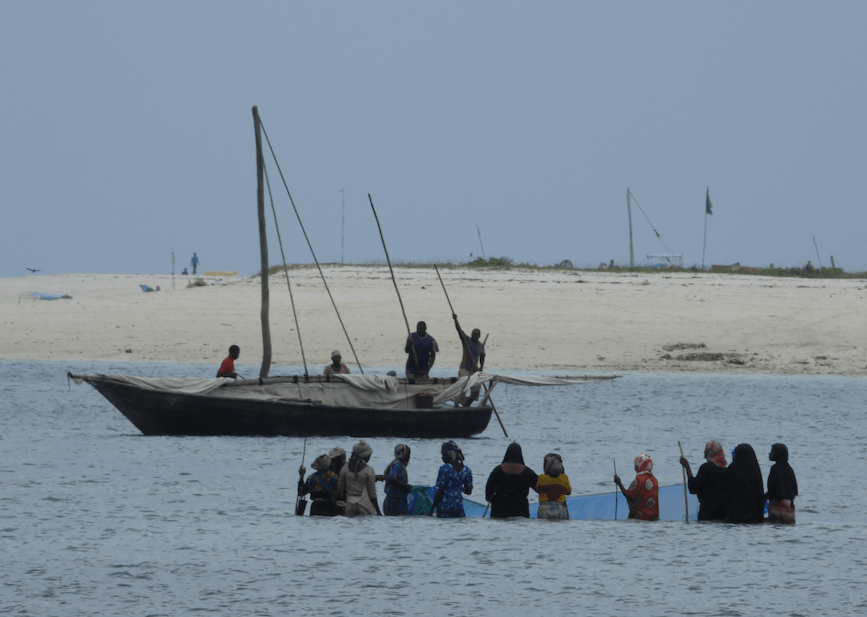
Whilst the terrain was a bit challenging my interest was sufficiently piqued to plan to return. Over the time of our stay I made a further three visits which are summarised in the following paragraphs.
Returning on the 11th I set off from the hotel when the tide was receding enough to get down to the beach. It transpired that this was still too soon to get to Daloni Island on terra firma, and in the end I waded through the sea in places.
There was a pleasing variety of waders including Terek Sandpipers, a Bar-tailed Godwit and a Curlew Sandpiper. Terek Sandpipers would normally be the wader highlight of any day’s birding, but not on this occasion as there were several magnificent Crab Plovers a couple of which were close by.
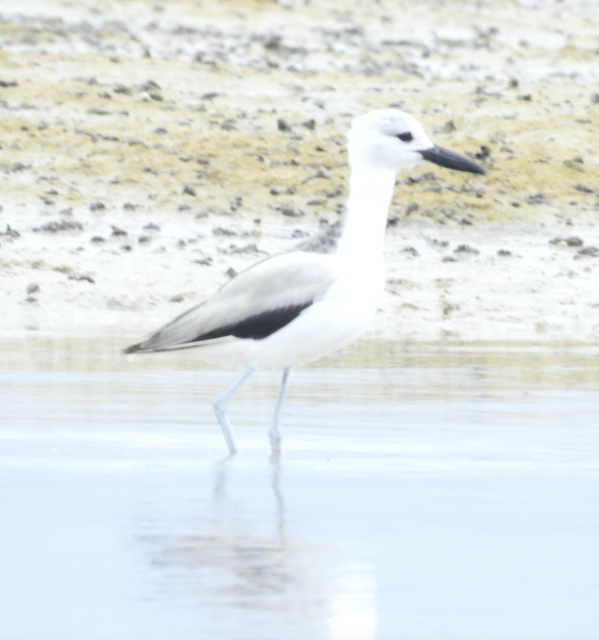
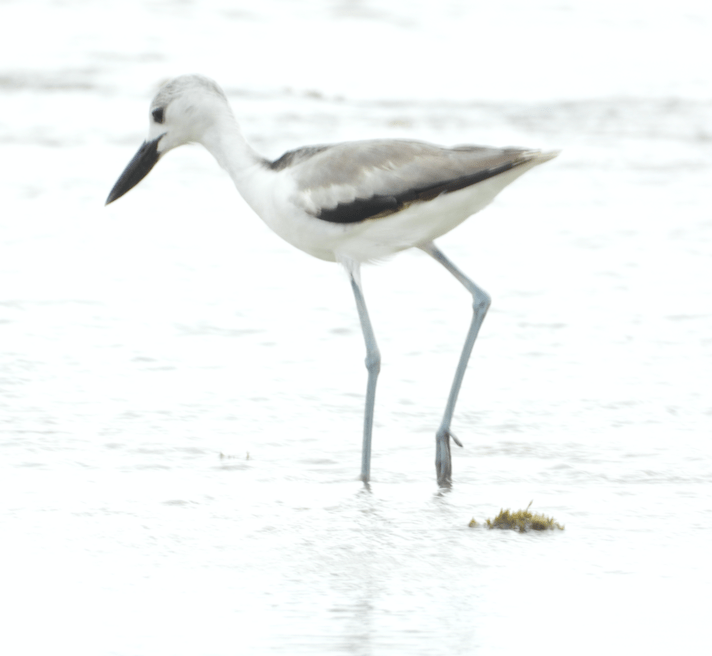
Herons were also well represented with Black Herons, Striated Herons and the birds that are apparently Little Egret x Western Reef Heron hybrids also known as ‘dimorphic’ Little Egrets.
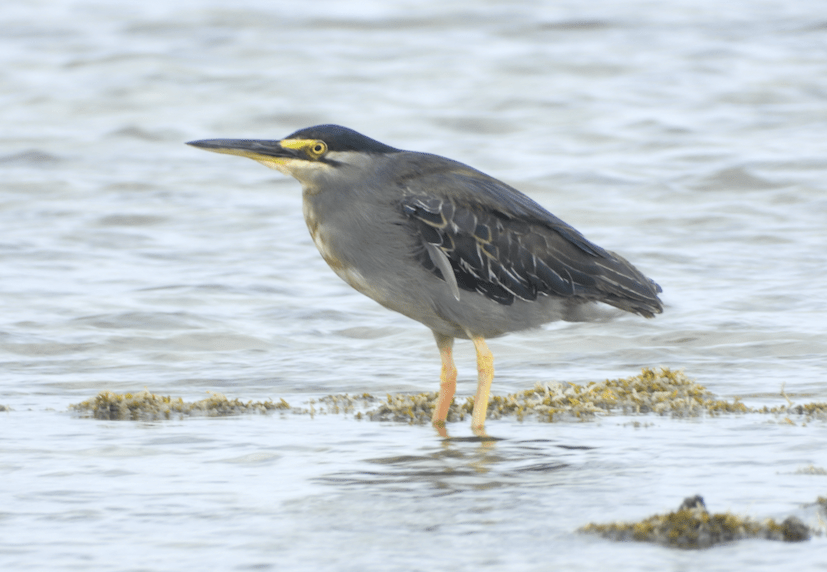
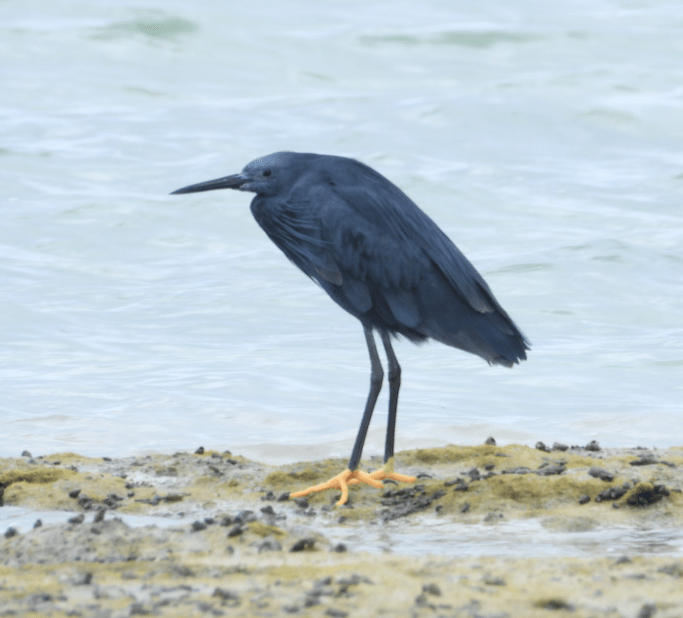
Striated Heron (top) and Black Heron (below)
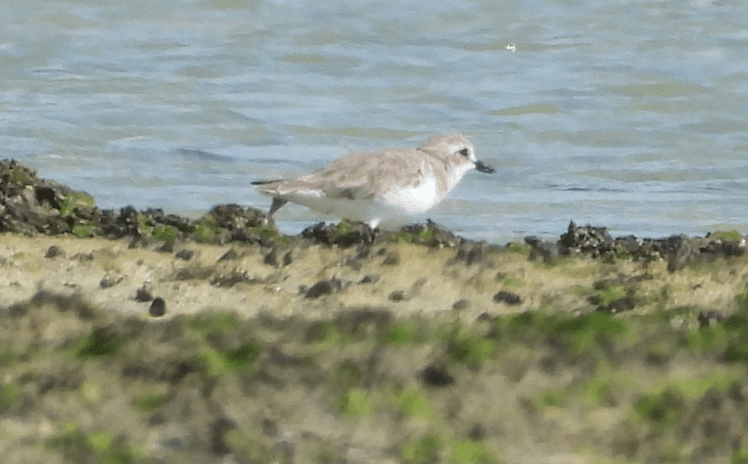
Visit three was timed for low tide and although the waders were dispersed there was a good variety. This included Curlew Sandpipers and the first sand plover of the trip, I thought Tibetan on leg colour but I’ve since been told by Martin Blok it’s a Greater. They aren’t a simple species pair and leg colour threw me.
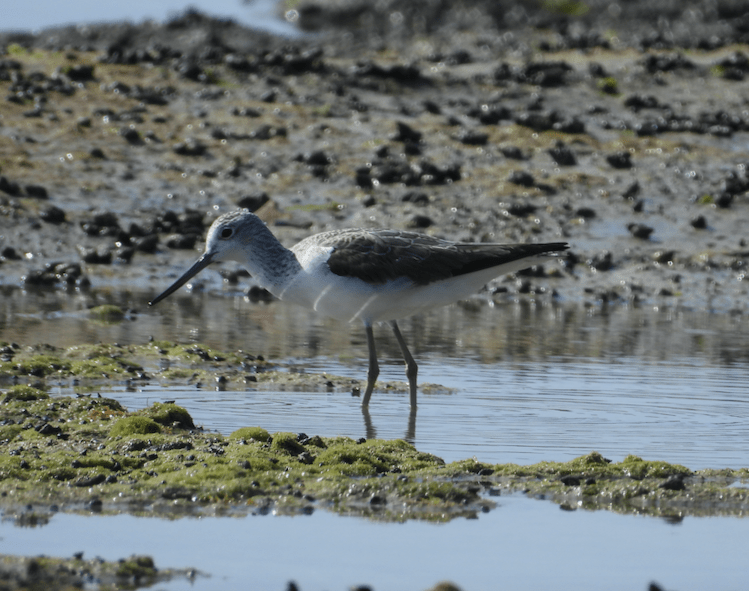
More familiar species included Common Sandpiper and Greenshank (below).
A final visit on the 19th was probably the best of the lot. As well as excellent views of the Greater Sandplovers I was able to see Crab Plovers hunting and captured this.
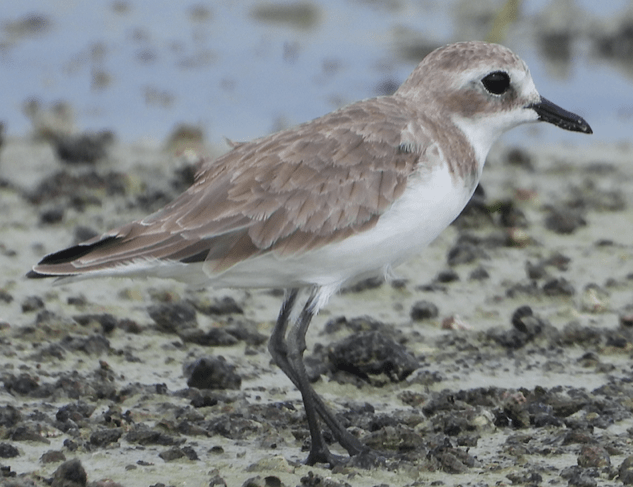
Greater Sandplover
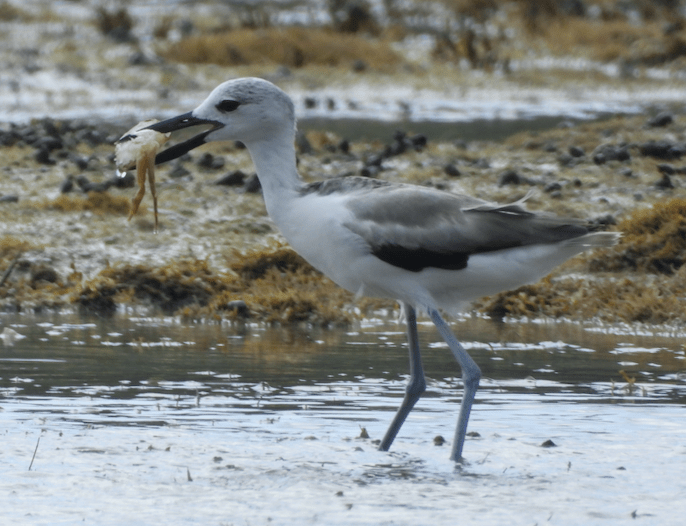
Crab Plover (and crab)
As a result of this coverage the local eBird reviewer has made the area a hotspot to encourage others staying in the Nungwi area to visit. Whether or not any do it was pleasing to add to the knowledge of Zanzibar bird sites whilst on holiday.
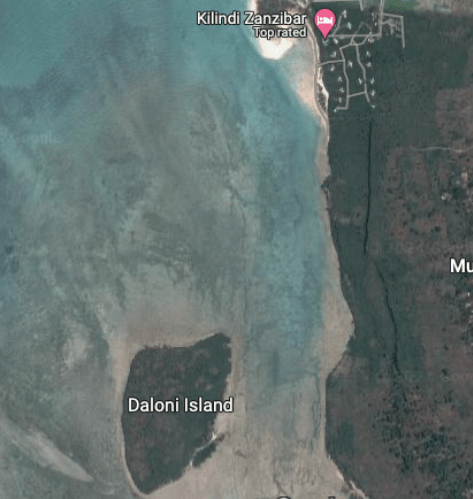
(After I wrote this I realised it was lacking a bit of context so below is a map. You can see the end of the Nungwi / Kendal sandy tourist beaches at the top, we walked beyond this to cover the intertidal zone between Danoli Island and the mainland. It’s possible to walk out to the island and locals do, but there aren’t any organised trips for tourists as far as I am aware)
 Natural Selection
Leave a comment