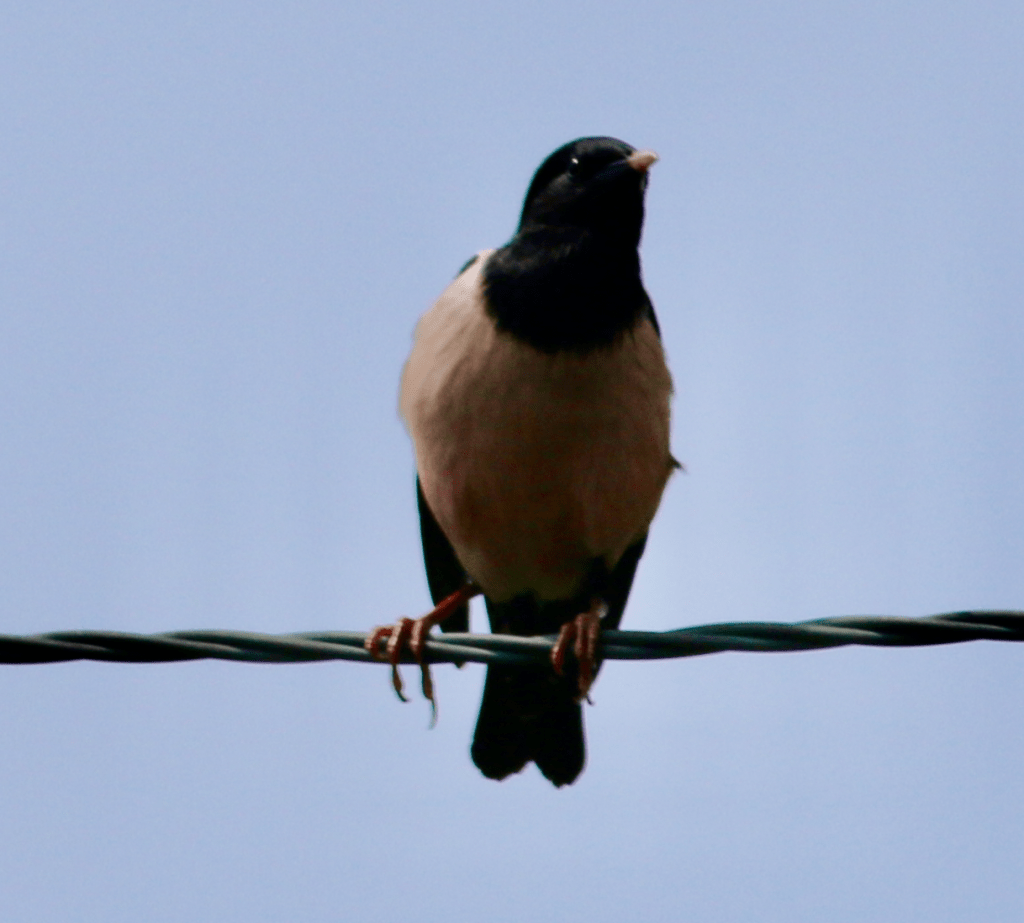
A Rosy Starling I found on Out Skerries in spring 2018
At the outset I should say that I think eBird is great. A system for bird record documentation created by the American Cornell Institute it’s a wonderful resource. From the same stable the Merlin birdsong ID software has broken through to be adopted by the general public in Britain.
However the one area where I have an issue with eBird is my previous trips to Cape Verde. The best birds I saw on those trips have been in permanent limbo on eBird. I’ve tried submitting them again, raising help tickets and so on to no avail.
So ahead of my holiday to Boavista next month I’m using my blog to illustrate some of the records from my previous trip. I remain hopeful that one day eBird will sort the situation with a number of rare sightings on Cape Verde (not just mine), but in the meantime I’m putting them on here.
In our first trip to Sal in 2017 Jane and I had a lovely break and the birding was good too. The area within walking distance of the hotel included some decent habitat, as is often the case including a sewage farm. I will do a general trip report some time over the next few days.
On the penultimate date I took a wander across to the said sewage farm, seeing several of the birds of previous days. I was then rather surprised to see a Starling flying in, this being a decent bird on the archipelago. When I picked up my bins things took a further unexpected upward turn.
I was unequivocally looking at an adult or second year Rose-coloured Starling. I had done my homework enough to know this species had never been recorded on the Cape Verdes. Panic set in as I turned my camera on and hurried to get a shot.
What happened next was the stuff of a Brian Rix farce. As I focused on the bird in the bush it was perched in and pressed the shutter, the flash popped up and hit the rim of my baseball cap. I had to put the flash down, frantically take the cap off and refocus. As I did the bird took off to the west.
I was concerned as to whether I had anything on film to support what was a big claim from a first time visitor to the Cape Verdes. When I reviewed the only image I had there was fortunately enough to show the pinkish bill and body that ruled out Eurasian Starling.
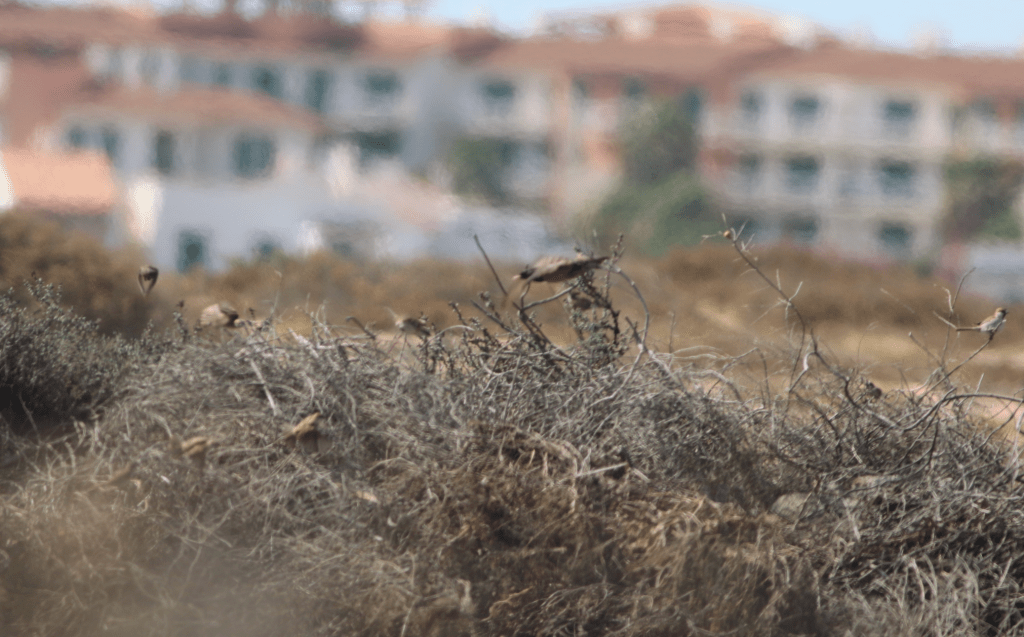
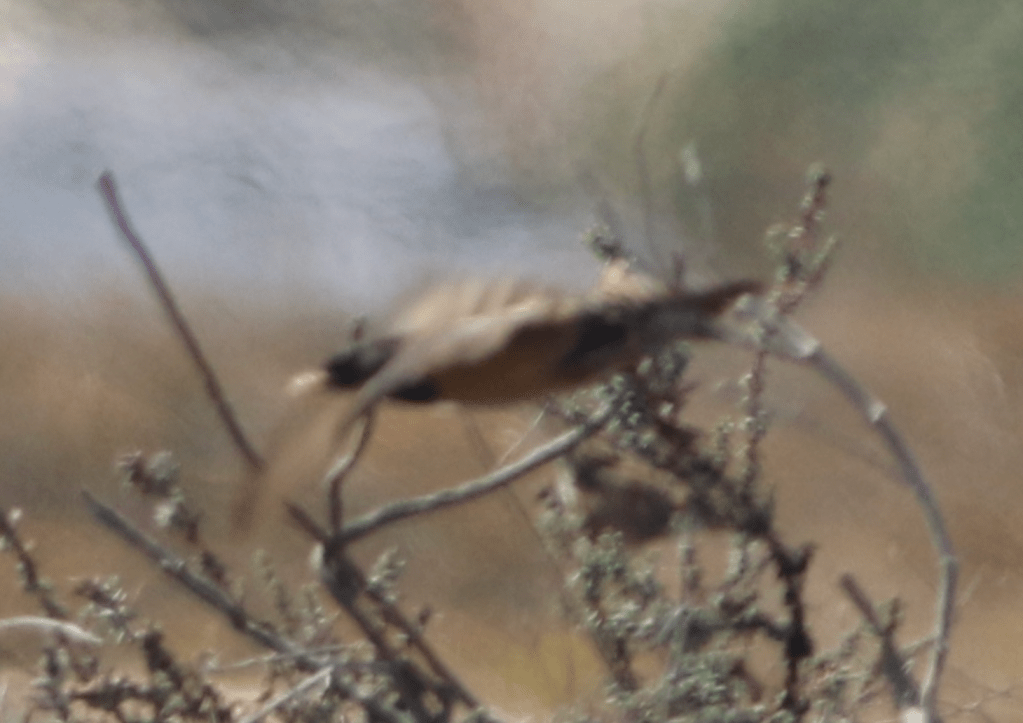
The following year Uwe Thom had a bird in the same area at a similar time of year, which was possibly the same individual. He also had another near his house (pictured below) in 2023 which by contrast was surely a different bird to either of the original sightings.
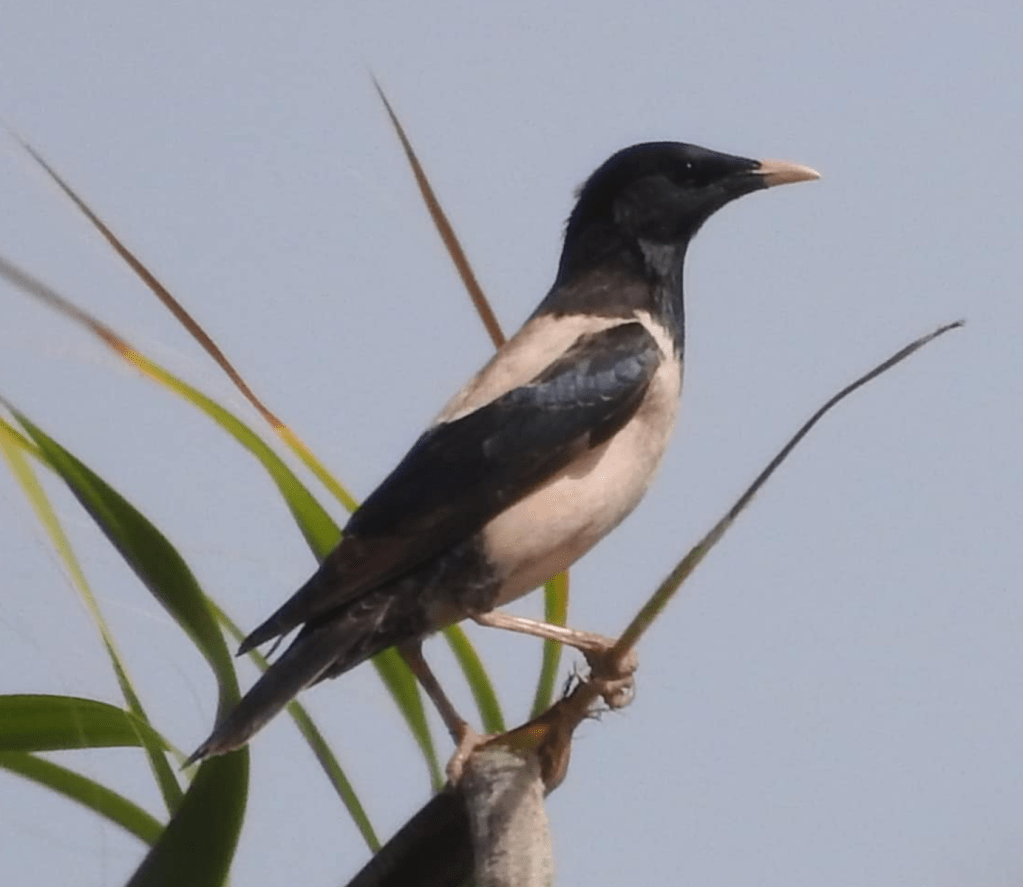
Rosy Starling on Sal 2023, photo copyright Uwe Thom
 Natural Selection
Leave a comment