Per eBird there are five lark species recorded in Cape Verde. One of these only occurs on the island of Raso (well done if your guess was Raso Lark). All the others were possible on Sal where Jane and I went in 2017 and 2018, three residents and one rare visitor.
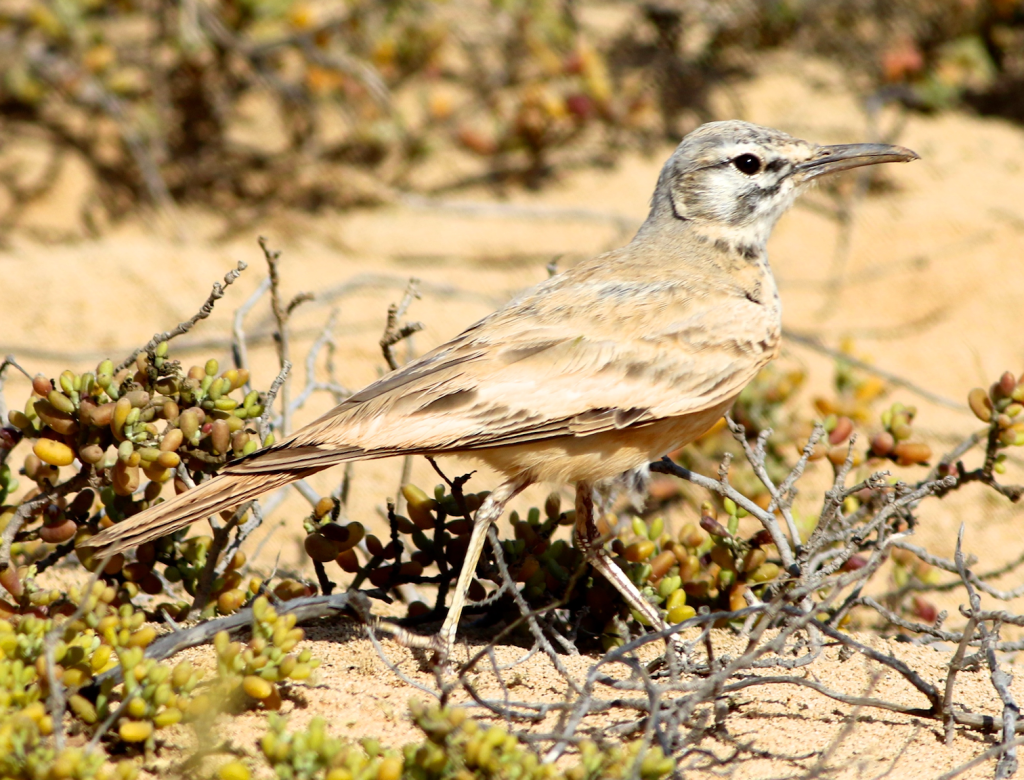
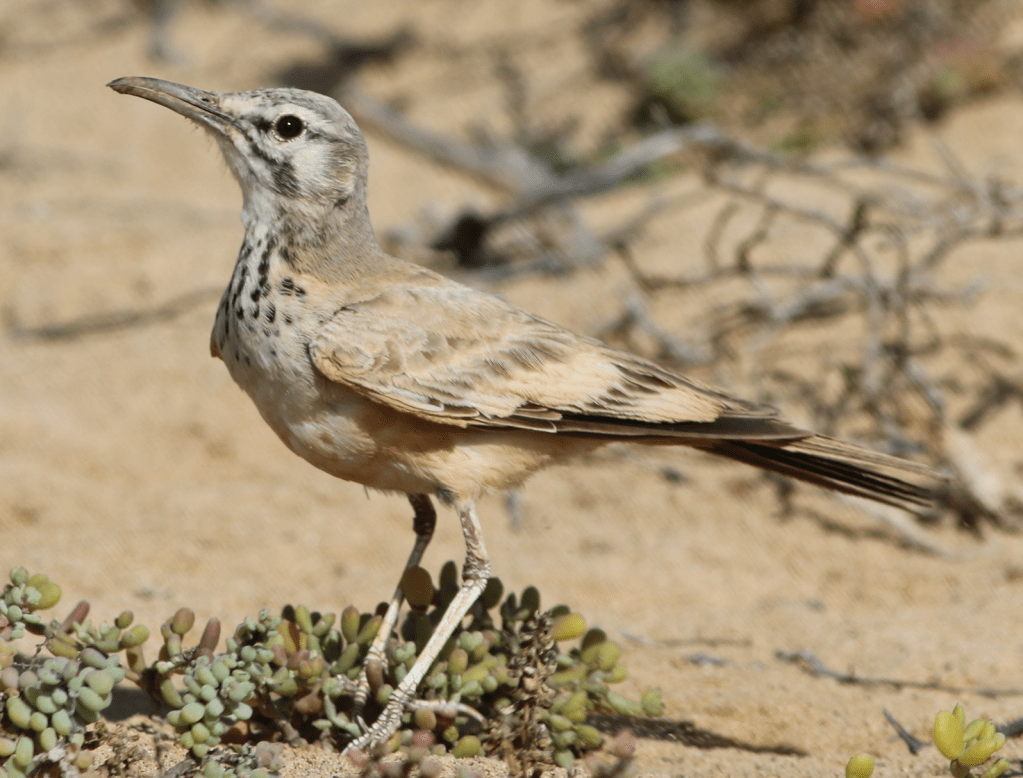
The three resident lark species were not particularly difficult to catch up with, though some were easier to photograph than others. The striking Greater Hoopoe-Lark was approachable, as the images above and below show.
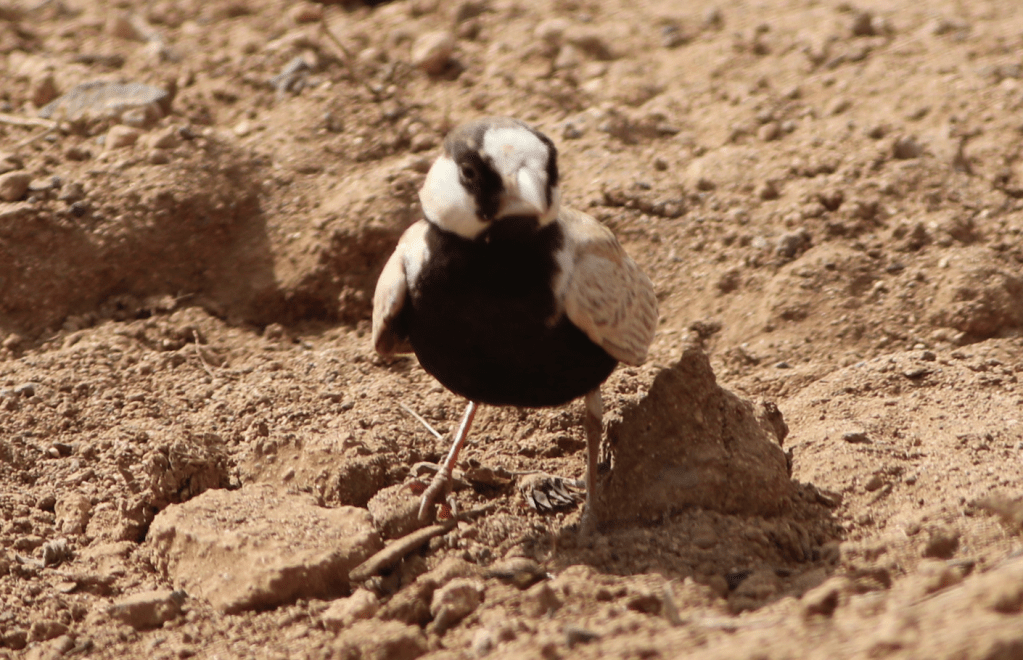
Black-crowned Sparrow Larks were widespread. I liked the males in particular, with their rather badger like appearance.
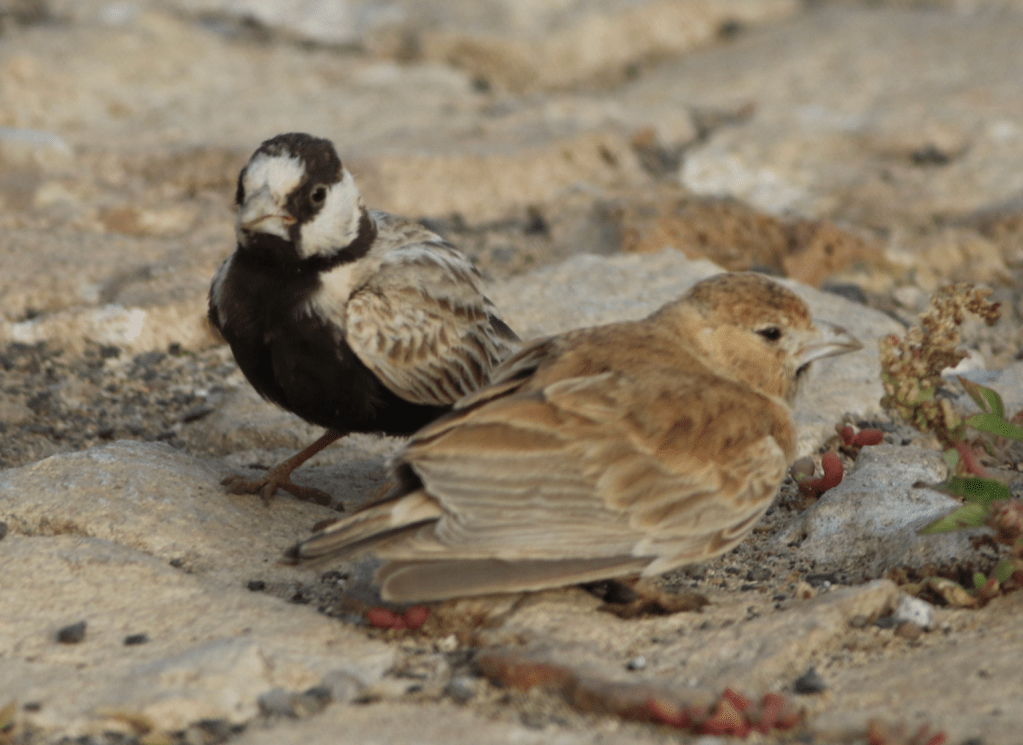
Bar-tailed Larks were also regularly encountered, but the image below is about the only one I managed to secure. Note the thinner bill than the female Sparrow Lark.
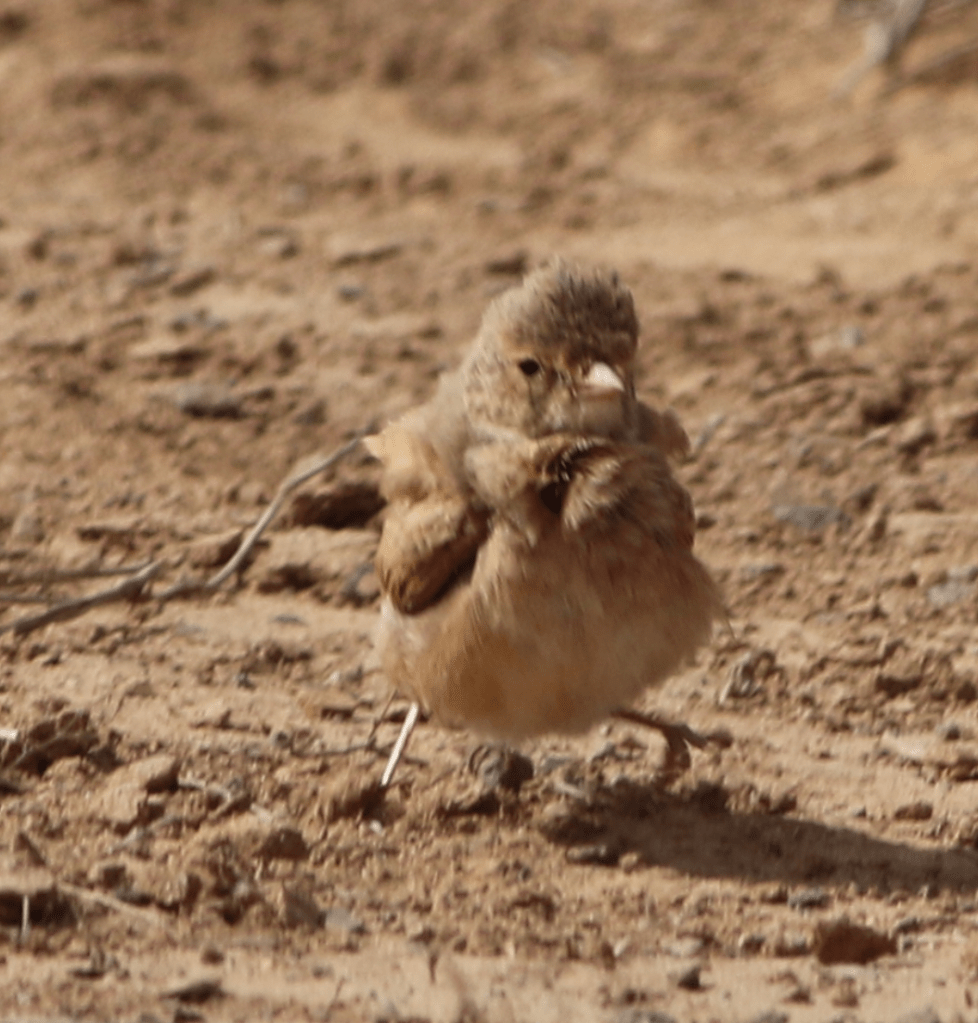
Shortly before our first visit to Sal Thick-billed Larks were also reported, so they were on the radar. We didn’t see any, but they aren’t the most attractive species even in the relatively plain domain of lark species.
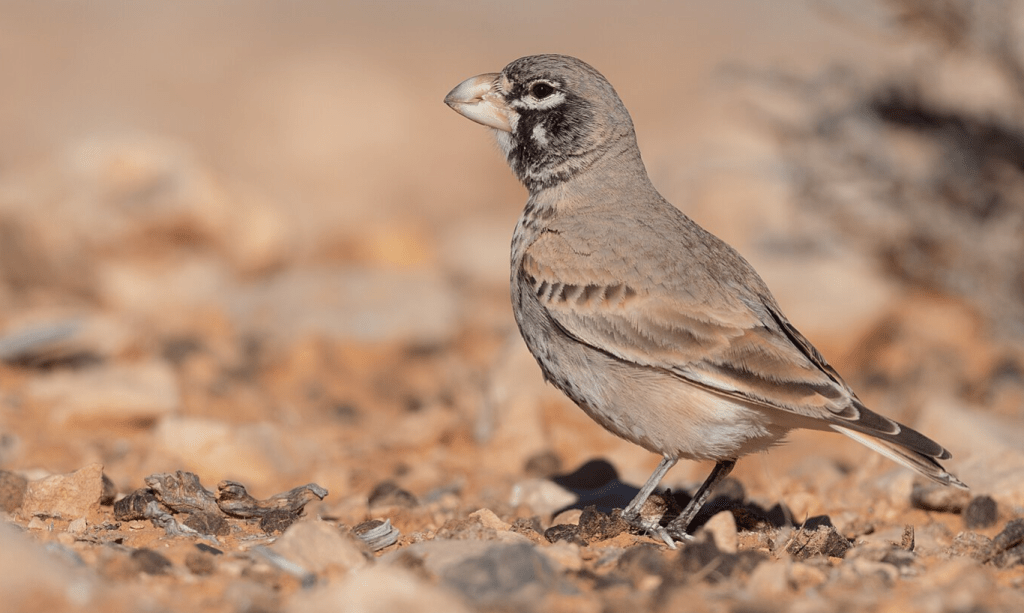
Image by El Golli Mohamed who I had the pleasure of being guided by in Tunisia
On our 2018 trip to Sal I found a couple of larks very near the hotel which didn’t meet the identification criteria of any of the above species. It soon became clear that they could only be Short-toed Lark, at the time a rare species in the Cape Verdes.
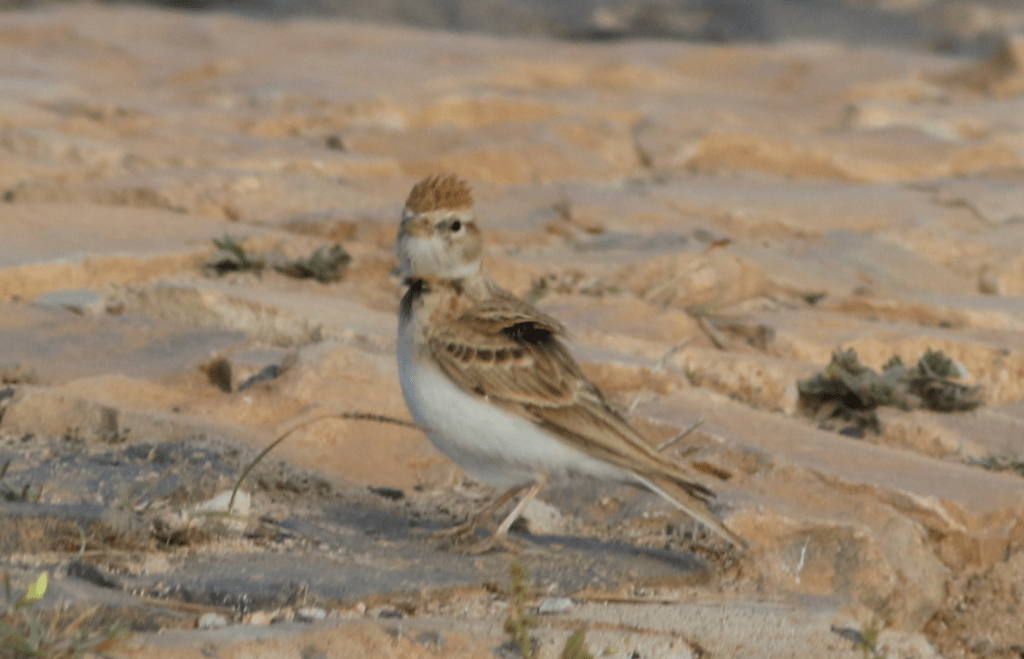
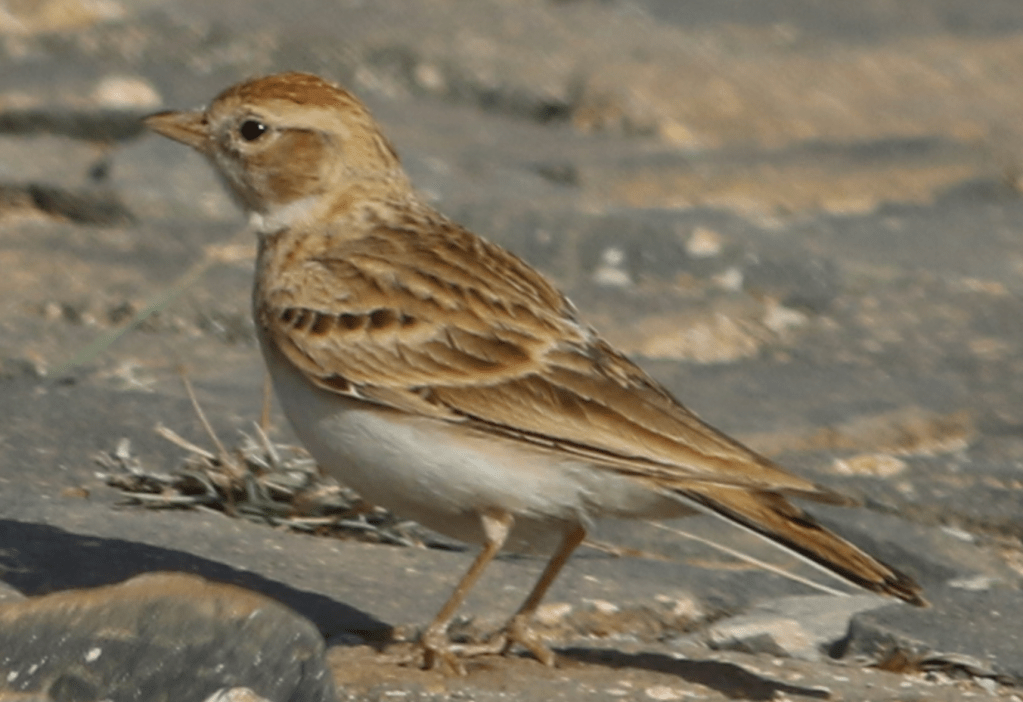
I know that Uwe Thom has seen them on Sal at least a couple of times since, but they aren’t currently showing as recorded on Cape Verde on eBird.
 Natural Selection
Leave a comment